What is Remote Identity Verification and Why is it Important for Businesses?


Understanding Remote Identity Verification
Remote identity verification is the process of confirming an individual’s identity without requiring their physical presence. Businesses leverage technology to authenticate identity by comparing and analyzing documents, biometrics, and other secure data sources. This is crucial in an era where digital transactions are the norm, ensuring that interactions and transactions are secure and legitimate.
How Does Remote Identity Verification Work?
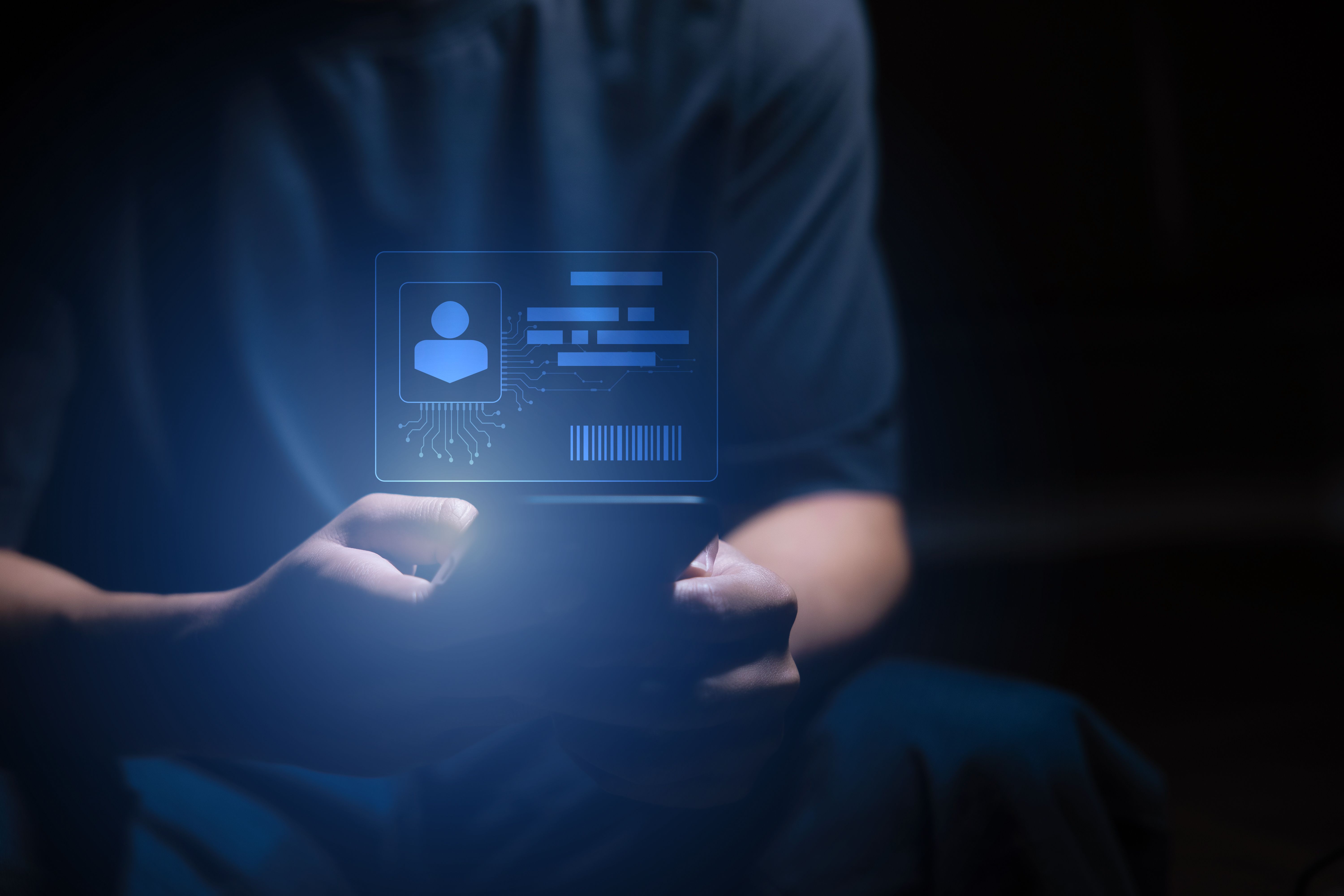
Remote identity verification employs advanced technologies like artificial intelligence, machine learning, and biometric analysis. These systems can scan government-issued IDs, passports, and even use facial recognition to match the individual’s likeness with their official documents. The goal is to create a seamless, secure verification process that minimizes fraud and identity theft.
Typically, this process involves a few key steps:
- User uploads a valid identification document.
- System analyzes the document for authenticity.
- Facial recognition or other biometric data is used for additional verification.
- Results are generated, confirming or denying the identity.
Benefits for Businesses
Implementing remote identity verification provides numerous benefits for businesses. Firstly, it enhances security by reducing the risk of fraud. By ensuring that only verified individuals can access services, businesses protect both themselves and their customers. Additionally, it improves customer experience by streamlining the onboarding process.

Another significant advantage is cost efficiency. Traditional methods of verifying identity often require manual checks and in-person meetings, which can be both time-consuming and expensive. Remote verification automates these processes, saving businesses time and resources.
Industries That Benefit the Most
While remote identity verification is beneficial across various sectors, certain industries stand to gain more. Financial services, for instance, rely heavily on secure identity verification to comply with regulatory requirements and prevent fraud. Similarly, e-commerce platforms use these solutions to ensure secure transactions and protect customer data.

Healthcare is another industry where remote identity verification is increasingly important. With the rise of telehealth, ensuring that both practitioners and patients are who they claim to be is vital for maintaining trust and confidentiality.
Challenges and Considerations
Despite its advantages, remote identity verification faces challenges. Privacy concerns are paramount, as users must trust that their personal information is handled securely. Businesses must comply with data protection regulations to ensure user trust and legal compliance.
Moreover, technological limitations and the potential for errors in biometric recognition can pose issues. Continuous improvements and updates to verification technologies are essential to overcome these hurdles and ensure accuracy.
The Future of Remote Identity Verification
As technology advances, remote identity verification will likely become even more sophisticated and reliable. Innovations in AI and biometric technologies promise to enhance accuracy and speed, making the process even more user-friendly and secure.
Businesses that adopt these cutting-edge solutions will be better positioned to thrive in a digital-first economy, providing their customers with the security and convenience they expect.