Common Misconceptions About Identity Verification Services


Understanding Identity Verification Services
In today's digital age, identity verification services have become a crucial part of maintaining security and trust. However, despite their importance, there are several misconceptions surrounding these services. In this post, we'll explore some common misunderstandings and clarify the truths behind them.
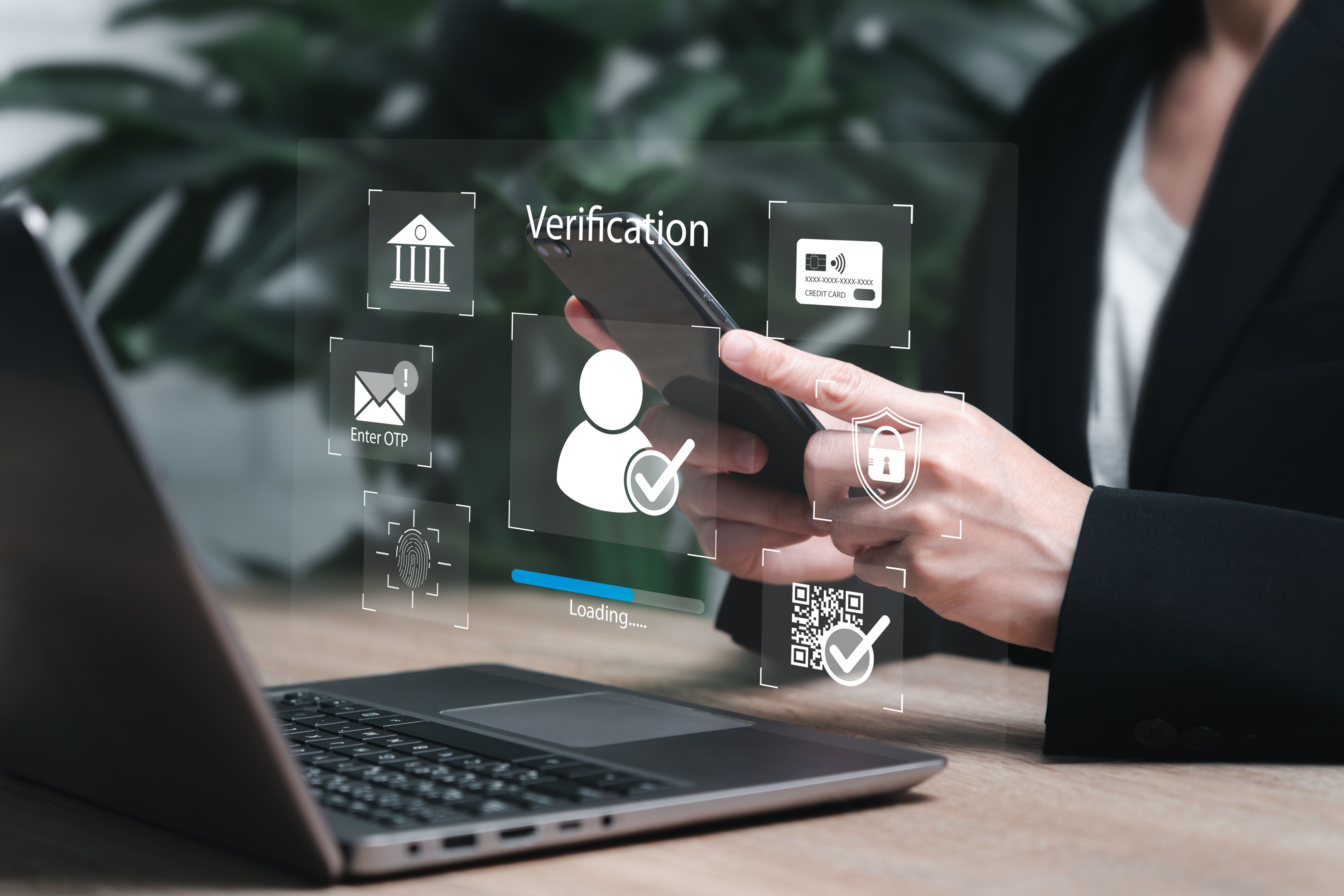
Misconception 1: Identity Verification Is Only for Large Businesses
Many people believe that identity verification is only necessary for large corporations. In reality, businesses of all sizes can benefit from these services. Small and medium enterprises (SMEs) face similar threats and can greatly enhance their security by implementing identity verification processes.
Identity verification helps prevent fraud, ensures compliance with regulations, and builds trust with customers. It is not limited by the size of the company but rather by the need for secure and reliable transactions.
Misconception 2: Identity Verification Is Invasive
Another common belief is that identity verification invades personal privacy. However, these services are designed to secure personal information, not exploit it. Modern identity verification solutions use advanced encryption and data protection measures to ensure privacy and confidentiality.

By verifying identities, businesses can protect their customers' data from breaches and fraud. The process is typically quick, seamless, and conducted in a way that respects the individual's privacy.
Misconception 3: Identity Verification Is Expensive
Cost concerns often deter businesses from adopting identity verification services. However, the reality is that the cost of implementing these services is often lower than the potential losses from fraud and non-compliance with regulations.
- Fraud prevention leads to long-term savings.
- Compliance with regulations avoids hefty fines.
- Building customer trust can increase revenue.

Misconception 4: Identity Verification Is Complicated
Some businesses shy away from identity verification, thinking it requires complex systems and expertise. However, many service providers offer user-friendly solutions that can be easily integrated into existing systems. These services are designed to be intuitive and straightforward, enabling businesses to implement them without significant technical challenges.
Moreover, many providers offer support and guidance throughout the implementation process, making it easier for businesses to adopt these essential security measures.
Conclusion
Identity verification services are vital for modern businesses to protect against fraud, ensure compliance, and build trust. By dispelling these common misconceptions, businesses can better understand the value and necessity of these services. Embracing identity verification not only safeguards the business but also enhances the customer experience, fostering a secure and trustworthy environment for all parties involved.